


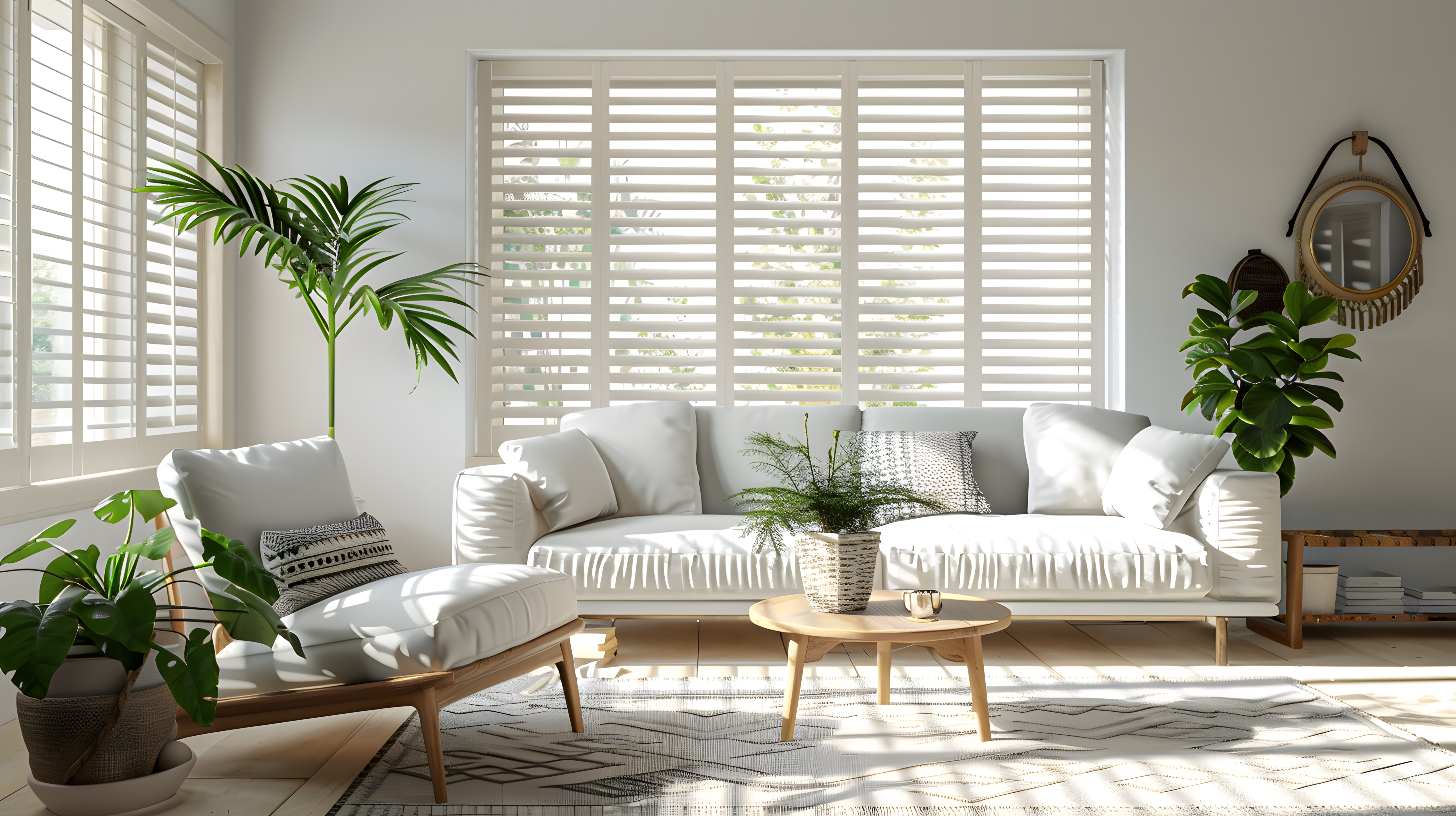
Choosing furniture becomes easier when you stop trying to identify one perfect style and start thinking about how you want your home to feel. Modern, traditional, transitional, coastal, contemporary, and eclectic furniture styles can all create beautiful interiors.
The challenge is finding pieces that work with your home's architecture, room proportions, existing finishes, and daily routines. This furniture buying guide focuses on the decisions that matter beyond the label on a showroom tag. Once you understand your space and priorities, finding quality furniture becomes much more straightforward.
Start With Your Home's Architecture
Your home's existing character can provide a useful starting point. A home with clean architectural lines may naturally suit streamlined furniture, while a more traditional interior can accommodate pieces with detailed profiles and classic finishes. In a coastal South Florida home, lighter materials and relaxed textures may complement the surroundings, but you do not have to follow a coastal style literally.
Look at permanent features that will not change easily, such as flooring, doors, trim, windows, built-ins, and architectural details. Your furniture should work with those elements rather than making the room feel visually disconnected. This does not mean everything needs to match. A carefully chosen contrast can make a room more interesting.
Decide How You Want the Room to Function
Style matters, but function should come first. A living room used every day by a family needs different furniture from a formal sitting room that is mainly used when guests visit. A dining area may need durable seating and a table that accommodates frequent meals, while an occasional guest room can have a different set of priorities.
Consider how people move through each room, where they sit, how much storage is needed, and which pieces receive the most wear. Then choose furniture that supports those activities. If you are furnishing a large open area, consider how different pieces can define zones without making the room feel divided. Rugs, seating arrangements, lighting, and tables can help establish separate functions while maintaining visual continuity.
Learn to Recognize Quality Furniture
A furniture style tells you what a piece looks like. Construction tells you how it performs. When shopping, examine the frame, joints, hardware, upholstery, finish, and overall stability. With upholstered seating, pay attention to the cushion construction and fabric as well as the frame.
With wood furniture, inspect drawers, joints, surfaces, and hardware. Do not assume a higher price automatically means higher quality. Likewise, affordable furniture can be a sensible choice when the construction and materials are appropriate for the way you will use the piece.
Prioritize quality on items that receive heavy daily use. You may be able to save on occasional tables or decorative pieces without compromising the room's long-term performance.
Mix Styles Without Making the Room Feel Random
You do not need to furnish an entire home from one collection. Mixing furniture styles can make a home feel more personal and collected. The key is finding connections between the pieces.
Similar wood tones, complementary colors, repeated shapes, or related textures can create continuity even when individual furniture pieces are different.
For example, a streamlined sofa can work with a traditional wood table if both relate to the room's color palette. A contemporary chair can sit comfortably alongside a vintage-inspired cabinet when their proportions and finishes make sense together. Think in terms of relationships rather than matching sets.
Use 2026 Trends as Inspiration
Furniture trends 2026 can provide ideas without dictating your entire decorating plan. Current design directions include greater interest in natural materials, tactile textures, softer silhouettes, and pieces that feel distinctive rather than mass-produced. These trends can be useful if they align with your taste.
But a trend should not override comfort, scale, or practicality. Ask yourself whether you would still enjoy the piece if the trend disappeared next year. If the answer is yes, you have probably found something that fits your home rather than simply following a moment in design. That is often the difference between a room that feels current and one that feels timeless.
Bring the Whole Room Into the Decision
Furniture should be considered alongside flooring, cabinetry, wall finishes, lighting, window treatments, and the room's overall proportions. Builders Direct Kitchens Fort Lauderdale can help you think through your home design choices with the broader space in mind.
When you're ready to explore ideas, contact us today and visit our showroom. Whether you're furnishing a project in Fort Lauderdale, FL or elsewhere within Fort Lauderdale, Oakland Park, Pompano Beach, Boca Raton, and West Palm Beach, FL, taking time to compare materials, proportions, comfort, and style can help you build rooms that feel genuinely suited to your home.